Foxy visitors to our gardens
By Rachel Shaw
Lincolnshire Wildlife Trust
Autumn has definitely arrived. The leaves are turning and toadstools are pushing up through the soil - breaking free from their underground existence.
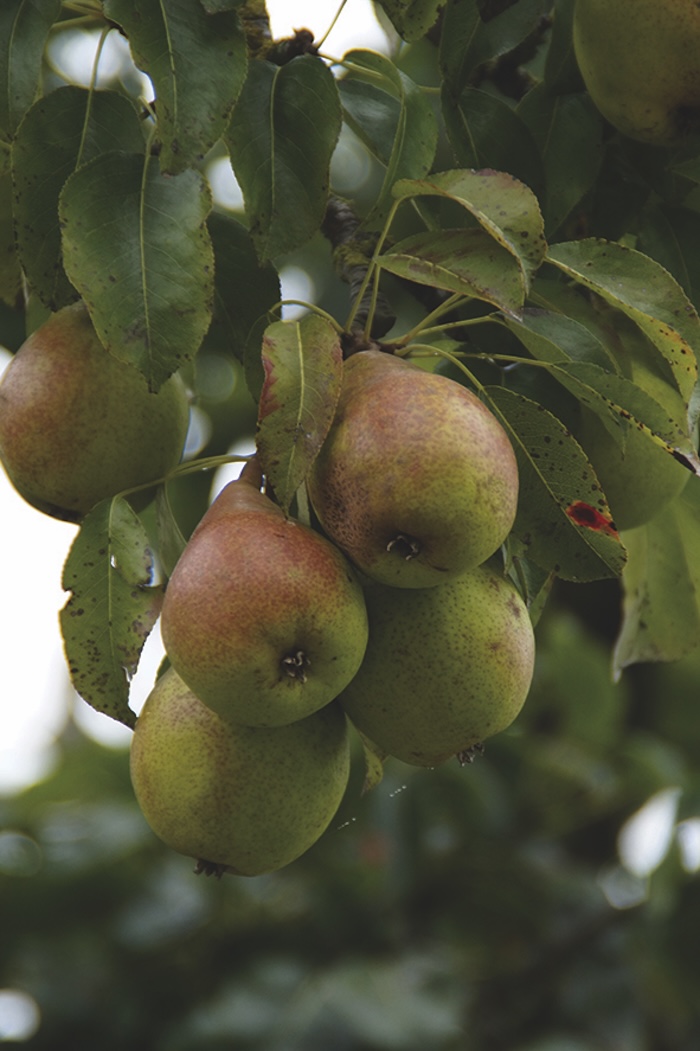
This year, has been a bumper harvest for the pear tree in my small urban garden. Unlike some years, I managed to get the majority of pears before they fell to the ground and the slugs and snails – or a larger animal – found them.
When the pears ripen, I’m always reminded of the only time I’ve seen a fox in my garden. It was dark outside and the security light had come on, I cautiously peered through a gap in the curtains. To my surprise, a fox was stood under the pear tree with a pear in its mouth.
It looked straight at me, then trotted behind some bushes and exited the garden via the gate.
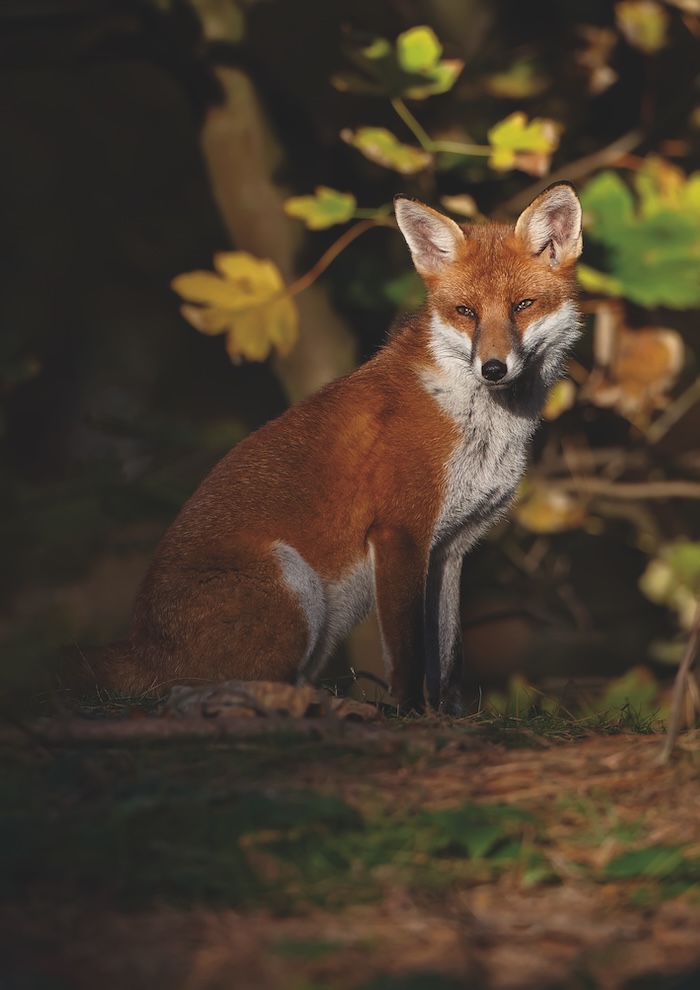
Perhaps I shouldn’t have been surprised. Foxes are well-suited to survive in our urban environments. Although carnivores, they are very flexible in what they eat – rabbits, rodents, worms, berries and even pears.
This “eat anything” approach helps foxes survive in a wide range of habitats from Arctic tundra and deserts to the British countryside and our gardens.
Their success may also be a factor in our love-hate relationship with them. Foxes are surrounded by controversy. They are seen by some as pests, if not actual villains that kill for fun.
They’re often portrayed as cunning tricksters able to outwit other animals and perhaps humans too. At the centre of all of this, is just an animal that’s incredibly adaptable and resourceful.
Foxes are social animals and live in loose family groups. These are normally made up of a breeding male (dog), female (vixen) and their young. Winter is a busy season for them.
It’s their mating season and the time when they are most vocal. If there are foxes living near you, you’ll be aware of them from the various barks and yaps of the dog foxes and screams of the vixens.
The other sure sign that a fox as been in the vicinity is that distinctive, pungent foxy scent. Foxes have a much better sense of smell that humans and it’s their main method of communication.
A fox’s scent is unique to the individual and helps convey their identity, breeding status and strength to potential rivals. To strengthen their bond and warn any trespassers into their territory, a mated pair with mark each other and mingle their scents together. They can probably smell an over-ripe pear from quite a distance!
I don’t know how often foxes visit my garden or if the one I caught scrumping the pears was a one off. But I’ll leave a few pears on the ground just in case.