
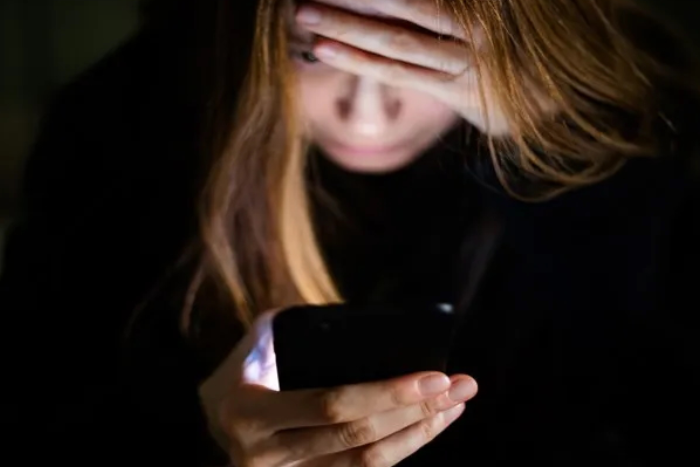
Sharing intimate images online could lead to sextortion – police warn
Police are warning people about the dangers of sharing intimate images online after two cases of sextortion were reported in the Lincoln area.
Sextortion is a type of online blackmail and involves threats to publish sexual information, photos, or videos about someone to either extort money or to force the victim to do something against their will.
The latest cases follows a surge in this type of offence in Lincolnshire last autumn when young people were the main victims.
Criminals will often target people through dating apps, social media, webcams, or pornography sites. They may use a fake identity to befriend victims online.
“If a person you’ve just met online chats to you in a sexual way, or asks for sexual images, it might be an attempt at sextortion. This type of crime can happen both very quickly, and over a long time,” said a police spokesman.
“The strongest pieces of advice we have are not to share intimate pictures of yourself online, and to review your privacy settings to ensure that people can’t see who your friends and family are. Once an image is gone from your possession, you have lost all control of it.”
Police are urging people to be wary if a person met online:
- is trying to start a relationship with you very quickly. They may even send you a sexual image first.
- has sent friend requests to lots of people.
- repeatedly asks you to do sexual things that you’re not comfortable with.
- tells you they’ve hacked your account or have access to your contacts.
Help and support available for victims of sextortion who should:
- Stop all communication with the offender immediately
- Don’t pay - there is no guarantee that this will stop the threats
- Save the evidence: take screenshots, save messages and images. Make a note of usernames, email addresses, phone numbers, and bank account numbers.
- Collect URL/ Website links to where your images or information is being shared online
- Most social media sites have rules against sharing intimate content without consent. You should be able to get the material removed. If you’ve paid the person, consider telling your bank. They may not be able to get any money back, but it helps police and the banks to know it’s happened
- Remember sextortion is not your fault.
You can report these crimes online.
If you are under 18, you can report sextortion, or any other form of online child sexual abuse, to the National Crime Agency’s Child Exploitation and Online Protection (CEOP) Safety Centre.