
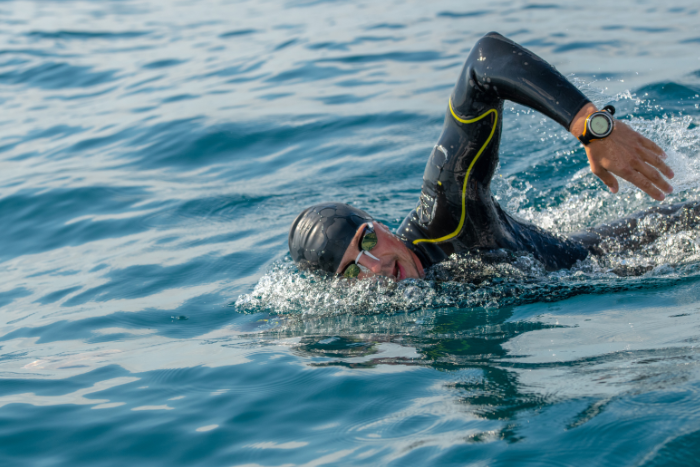
Taking a cold plunge could be fatal - warning
Taking a cool dip on warm summer days can be fatal safety chiefs have warned.
When temperatures do rise on land, those of rivers, lakes and reservoirs are consistently low, even on those baking hot days.
Water of 15°C (59°F) and lower can trigger cold water shock, which induces involuntary gasping, rapid breathing, panic and the sudden loss of swimming ability, even for strong swimmers, all of which increases the risk of drowning.
Since 2019, over 1,600 people have lost their lives in accidental drownings across the UK, and more than half of these happened in inland waters - rivers, lakes, reservoirs.
As part of the National Fire Chiefs Council’s ‘Be Water Aware’ week running Monday from April 27 – May 3, Lincolnshire Fire and Rescue is urging everyone to take caution around open water.
David Lynch, area manager for prevention and protection at Lincolnshire Fire and Rescue, said: “We know that when the weather starts to get nicer we see more people out and about, looking to enjoy walks and the water. Unfortunately, this matches an increase in calls for water rescues to Lincolnshire Fire and Rescue, HM Coastguard, and the RNLI, so it’s really important that we help people understand the risks of open water in the UK.
“As much as I’d love our rivers, lakes and seas to be as warm as the Caribbean, it’s just not the case. Even on those scorching hot days where we see heat and drought warnings, waters in the UK can still send you into cold water shock, literally taking your breath away. It’s an entirely involuntary physical reaction that doesn’t care how strong a swimmer you are. The best way to avoid it? Don’t enter the water.
“What’s perhaps even more alarming is that a leading cause for accidental drownings in the UK is slips, trips and falls. These are tragic incidents where people never had any intention of entering the water but have fallen and got into trouble.
“So our key advice is to respect and be mindful of open water at all times. Give it distance, don’t enter unnecessarily, and if you want to have fun in the water make sure you’re doing it safely, where there’s experts or lifeguards who know the dangers of the area and the basics of water rescue.”
Gavin Ellis, National Fire Chiefs Council Drowning Prevention lead, said: “Most people would be shocked to hear the number of lives lost simply because people were spending time in and around water. These deaths are preventable, so we ask everyone to be water aware.”
Taking action:
If you’re in difficulty in water:
- don’t panic
- float on your back and starfish
- control your breathing
- call for help
If you find someone in the water:
- call 999 or shout for help
- get information about where you are – use landmarks, lock numbers or describe what you can see
- encourage the person to float or swim on their back
- never enter the water to try to save someone.
- throw something that floats to anyone who has fallen in. If you want to help get them out of the water, lie with your body on land and reach in with a scarf or branch